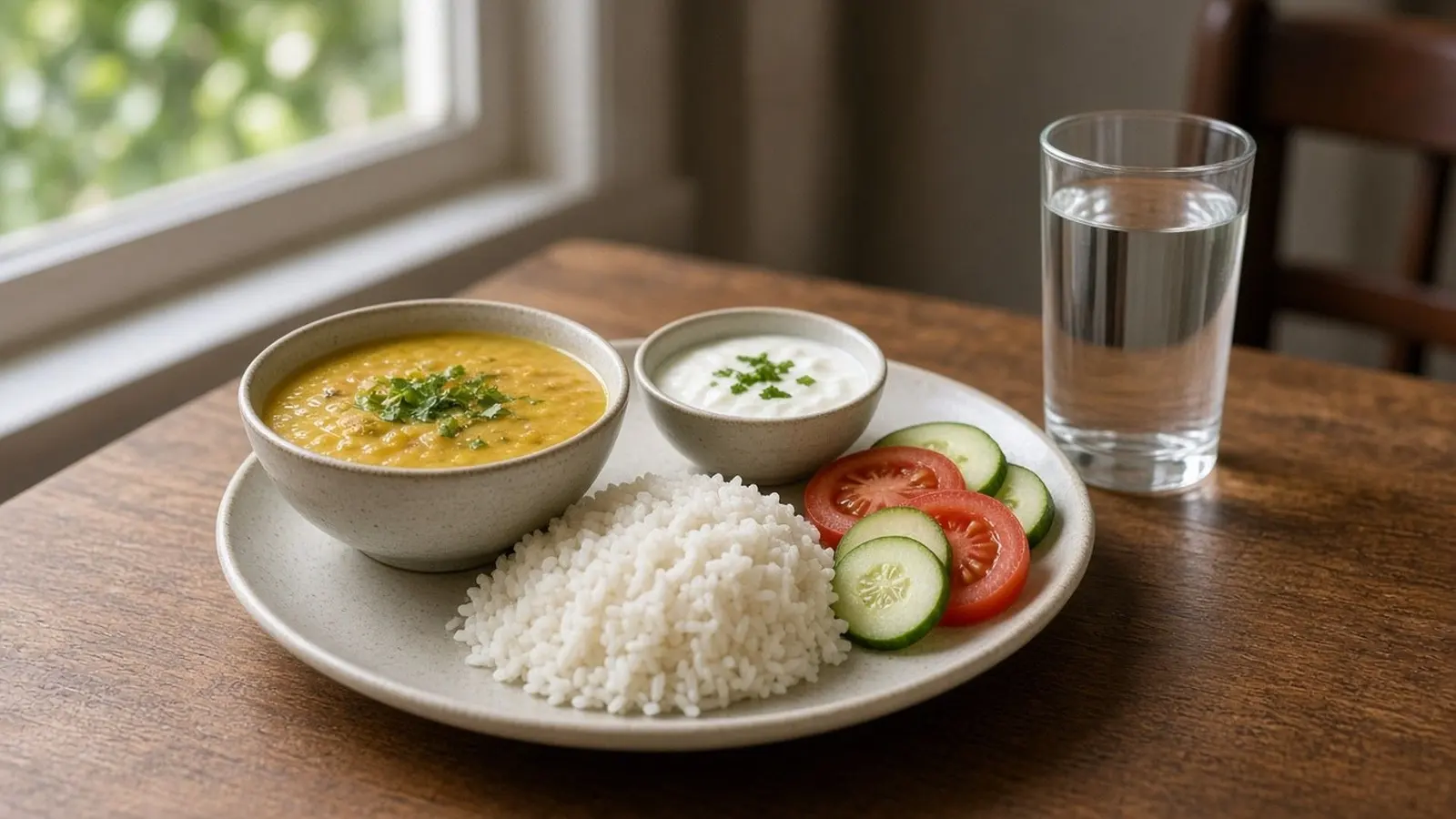
Uric acid is a waste product made when the body breaks down purines, and the kidneys normally pass it out in urine. The level rises when the body makes too much or the kidneys remove too little, and the excess can crystallise in a joint (gout) or in the kidney (a stone). Most people with a high reading have no symptoms, and control rests on weight, diet, fluids and, when needed, a daily tablet such as allopurinol.
What is uric acid and why does the level rise?
Uric acid is a waste product the body makes when it breaks down purines, and the kidneys normally filter it out of the blood into urine. MedlinePlus describes purines as chemicals that come from the body's own dying cells and from certain foods and drinks. In a healthy person uric acid dissolves in the blood, passes through the kidneys and leaves the body without trouble.
The level rises for one of two reasons: the body makes too much uric acid, or the kidneys remove too little. MedlinePlus lists red meat, organ meat, some seafood, alcohol and high-fructose corn syrup as foods and drinks that push production up. Kidney disease, dehydration and some medicines slow removal.

Doctors call a high reading hyperuricaemia. Cleveland Clinic says one in five people has it, and that hyperuricaemia itself usually causes no symptoms. The problem starts when uric acid stops dissolving and forms needle-shaped crystals. In a joint those crystals cause gout; in the kidney they can form a uric acid stone. Many people with a high level never develop either, so a single raised number is a reason to look for the cause, not a diagnosis on its own.
What is a normal uric acid level?
The MedlinePlus Medical Encyclopedia gives a normal blood uric acid range of 3.0 to 7.1 mg/dL for women and 4.0 to 8.6 mg/dL for men, and it says ranges vary slightly between laboratories. Your lab report prints its own reference range next to the result; read against that, not against a number from the internet.
| Group | Normal range (MedlinePlus) |
|---|---|
| Women | 3.0 to 7.1 mg/dL |
| Men | 4.0 to 8.6 mg/dL |
| People being treated for gout (target) | below 6 mg/dL, or below 5 mg/dL in some cases |
Research cut-offs are stricter than lab ranges. A 2022 Indian study in Diabetes, Metabolic Syndrome and Obesity, run at a tertiary centre in Varanasi, defined hyperuricaemia as above 7 mg/dL in men and above 6 mg/dL in women. Those are the thresholds most studies use.
The test is a simple blood draw. MedlinePlus says not to eat or drink for 4 hours before it unless told otherwise, and not to stop any medicine without asking, because several common drugs change the result. In India, serum uric acid is usually part of a kidney or metabolic panel; ask whether it is included before you book a full body checkup. MedlinePlus adds that a high result does not always mean a condition that needs treatment, and that a low result is uncommon and rarely matters.
What causes high uric acid?
Diet, body weight, alcohol, kidney function, some medicines and some illnesses all raise uric acid, and most people with a high reading have more than one of them. The MedlinePlus Medical Encyclopedia lists the recognised causes of a high result. The ones that matter most in day-to-day practice are:
- A purine-rich diet: red meat, organ meat, and certain fish and shellfish.
- Alcohol, which both raises production and slows removal.
- Fructose, including sugar-sweetened soft drinks.
- Obesity.
- Dehydration and heavy exercise.
- Kidney failure and some inherited kidney diseases, which stop the kidneys clearing uric acid.
- Medicines: diuretics (water pills), low-dose salicylates such as aspirin, cyclosporine, tacrolimus and nicotinic acid.
- Hypothyroidism (underactive thyroid), hyperparathyroidism and psoriasis.
- Blood cancers such as leukaemia, polycythaemia vera and the breakdown of cancer cells during chemotherapy.
- Pre-eclampsia (toxaemia) in pregnancy and lead poisoning.
Family history counts too. The NHS says gout sometimes runs in families and is more common in men, and Cleveland Clinic lists a family history of hyperuricaemia or gout as a risk factor.
Indian data are thin but point the same way. The Varanasi study of 305 newly diagnosed diabetics found hyperuricaemia in 12.13 percent of them, and the odds of high blood pressure rose with each step up in uric acid even after adjusting for age, sex, kidney function and BMI. The authors could not say which came first, because the study was a single snapshot.
What does high uric acid do to the joints and kidneys?
The two common complications are gout in the joints and uric acid stones in the kidneys; both come from the same crystals. The NHS describes a gout attack as sudden, severe pain in a joint, usually the big toe but also the feet, ankles, hands, wrists, elbows or knees, with hot, swollen, red skin over it. Untreated attacks last one to two weeks, according to the NHS.
Gout is a disease of stages. The US National Institute of Arthritis and Musculoskeletal and Skin Diseases (NIAMS) describes four: hyperuricaemia with no symptoms, flares, symptom-free gaps between flares, and tophi, which are hard crystal deposits under the skin that appear in later disease. Cleveland Clinic warns that untreated high levels can cause lasting damage to bones, joints, tendons and ligaments.

In the kidney, the US National Institute of Diabetes and Digestive and Kidney Diseases (NIDDK) says a uric acid stone forms when urine contains too much acid, and lists a diet heavy in fish, shellfish and meat, especially organ meat, as a cause. Cleveland Clinic lists stone symptoms as back or side pain, nausea, fever or chills, blood in the urine, and painful or frequent urination. It also links long-term high uric acid with kidney disease, high blood pressure, heart disease, diabetes and fatty liver, so a persistently high result with a raised creatinine is a reason to see a nephrologist.
Which foods raise uric acid and which are safe?
Organ meats, dried fish and shellfish carry the most purines; milk, eggs, rice, tofu and most vegetables carry the least. A 2014 study by Kaneko and colleagues in Biological and Pharmaceutical Bulletin measured total purines in hundreds of foods and graded them from very low (under 50 mg per 100 g) to very high (over 300). Their figures, per 100 g of raw food:
| Food | Purines (mg/100 g) | Group |
|---|---|---|
| Dried anchovy | 1,108.6 | Very high |
| Dried shiitake mushroom | 379.5 | Very high |
| Chicken liver | 312.2 | Very high |
| Pork liver | 284.8 | High |
| Beef liver | 219.8 | High |
| Fresh sardine | 210.4 | High |
| Dried soybean | 172.5 | Moderate |
| Chicken breast | 141.2 | Moderate |
| Beef (topside) | 110.8 | Moderate |
| Broccoli | 70.0 | Low |
| Polished rice | 25.9 | Very low |
| Tofu (silken) | 20.0 | Very low |
| Milk, chicken egg | 0.0 | Very low |
Drinks matter as much as food. NIAMS advises fewer alcoholic drinks, including non-alcoholic beer, and no sugar-sweetened sodas; the NHS caps alcohol at 14 units a week with alcohol-free days. NIAMS recommends limiting red meat and organ meats, avoiding shellfish, sardines and anchovies, and following the DASH pattern of vegetables, fruit, whole grains, low-fat dairy, poultry and oils. In an Indian kitchen, dal, rice, roti, curd, paneer, eggs and vegetables stay; kaleji, dried fish, prawns and sugary cold drinks go.
How do you lower uric acid without medicine?
Lose excess weight slowly, drink enough water, cut alcohol and sugary drinks, and keep moving; these four steps lower uric acid for most people with a mildly raised level. NIAMS says weight loss through a reduced-calorie diet and more exercise lowers urate and reduces flares. The NHS adds one warning: avoid crash diets, because dehydration is a listed trigger for an attack.
Fluids help the kidneys clear uric acid. MedlinePlus advises people on allopurinol to drink at least eight 240 ml cups of water or other liquid a day unless a doctor says otherwise, and the same habit helps before any tablet is prescribed.
The NHS lists the practical rest:
- Exercise regularly, but avoid intense activity or heavy loading on a painful joint.
- Stop smoking.
- Limit sugary drinks and snacks.
- Ask a doctor before taking vitamin C supplements.
During an attack, the NHS says to rest and raise the limb, cool it with an ice pack wrapped in a towel for up to 20 minutes, and keep weight off it. An NSAID such as ibuprofen is the usual first treatment and should start working within 2 days.
See a doctor the same day if a joint is painful, swollen and the pain keeps getting worse, or you have a very high temperature, feel hot and shivery, or cannot eat. The NHS says these can mean a joint infection, not gout. Go to the emergency department of the nearest hospital; call 112 if you cannot get there.
When are allopurinol or febuxostat needed?
A daily uric acid-lowering tablet is needed when attacks keep coming or the level stays high, and the NHS says it must be taken regularly even after symptoms stop. The two tablets used in India are allopurinol and febuxostat; both block the enzyme xanthine oxidase, so the body makes less uric acid.
Allopurinol is the usual first choice. MedlinePlus says it prevents attacks rather than treating one, that the dose starts low and rises not more than once a week, and that full benefit can take several months. Attacks can increase in the first few months, so a doctor often adds colchicine for that period. The NHS lists two things every Indian patient should know: a rash means stop the tablet and contact a doctor straight away, because a rare serious skin reaction can follow, and people of Indian origin are among those more likely to have a severe reaction.
Febuxostat is the second line. MedlinePlus says it is for adults who were not treated successfully with allopurinol or cannot take it, and carries a warning of a higher risk of heart-related death than other gout medicines. Tell the doctor about any heart disease or stroke. The dose may be raised after 2 weeks if the level stays high.
NIAMS lists uricosuric agents and uricase for people who do not respond. A persistent level with kidney disease belongs with a nephrologist; frequent gout belongs with a rheumatologist. This guide is general information from the sources listed below, not medical advice; a registered doctor makes decisions with you.