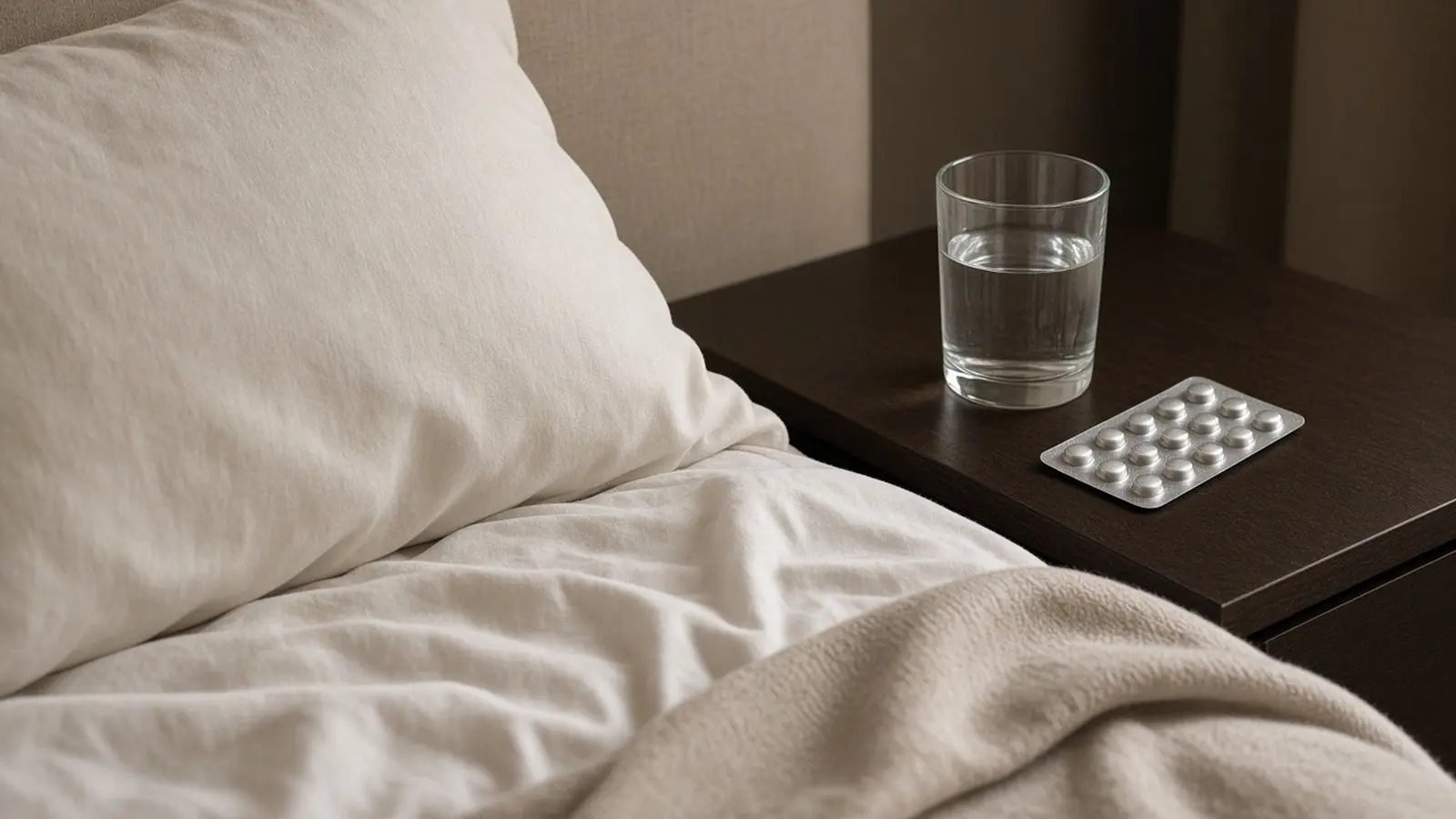
Sleep on your back, or on the side opposite the port, and avoid lying on your stomach while the incision heals; the Cleveland Clinic says no sleeping position is actually dangerous with a port. Tenderness should settle within about 48 hours and the site needs almost no care once healed. Learn the signs of infection and clot, because the Cleveland Clinic reports that about one in three people has a problem with a port at some point.
What is a chemo port and where does it sit?
A chemo port is a small disc placed under the skin, usually on the upper chest, with a thin silicone tube that runs into a large vein just above the heart, so that chemotherapy, fluids, transfusions and blood samples can go through one needle site instead of repeated arm punctures. The Cleveland Clinic describes the device as a flat metal or plastic disc about the size of a US quarter with a self-sealing silicone top, and says most people have it placed under the skin on the right side of the chest; some go in the upper arm or abdomen. Macmillan says the pocket for the port is about 3 to 4 cm long and the catheter incision usually under 2 cm.
Placement is a day procedure. The Cleveland Clinic says it takes about an hour under sedation and local anaesthetic; the Royal Berkshire NHS leaflet gives 60 to 90 minutes, and both send you home the same day with someone else driving. A chest X-ray confirms the catheter tip is in the right place. To use the port, a nurse cleans the skin and pushes a special Huber needle through the skin into the disc; Macmillan says anaesthetic cream applied about 30 minutes beforehand numbs the area, and the Cleveland Clinic notes a port can take up to 2,000 needle sticks before it needs replacing. The US National Cancer Institute describes ports as small discs under the skin connected to a vein and reminds patients to watch for signs of infection around them.
What is the best position to sleep with a chemo port?
The best position is on your back, and the next best is on the side opposite the port. The Cleveland Clinic's guidance is the most specific of the sources: the most ideal sleeping position is on your back; avoid sleeping on your stomach, especially during the recovery period; and if the port is on the right side of your chest, try sleeping on your left side, or vice versa. It reassures that there is really no sleep position that is dangerous for someone with a chemo port.
Discomfort is a matter of days. The Cleveland Clinic says most people have mild pain or soreness around the incisions for the first couple of days. The Royal Berkshire NHS leaflet says the neck and chest may feel tender but this should go within 48 hours, and advises taking paracetamol regularly for the first 48 hours, following the packet dose.
Practical steps that follow from this advice:
- Sleep propped on two pillows on your back for the first two or three nights.
- Put a pillow against the port side so you do not turn onto it in your sleep.
- Wear a soft, loose top with no seam over the disc.
- If a needle and dressing stay in for a multi-day infusion pump, keep the line clear of the pillow and check the dressing in the morning.
Once the incision has healed, the Cleveland Clinic says you should not have any discomfort, and most people stop noticing the port at night.
Will a seatbelt or bra strap press on the port?
A seatbelt or strap can rub the port while the wound is fresh, so pad it while the wound heals; afterwards, ordinary pressure does no harm. The Royal Berkshire NHS leaflet says port pillows for seat belts are available on request, which is the practical answer: a small cushion or folded towel between the belt and the disc on the drive home and for the first days. In India a right-chest port sits under the driver's belt; the front passenger's belt runs from the left shoulder.
Driving itself is limited only by sedation. The Royal Berkshire leaflet says you cannot drive for 24 hours after sedation, so someone must take you home.
Clothing follows the same logic. Macmillan says the port should not interfere with your daily life. A bra strap, a blouse seam or a rucksack strap over the disc is uncomfortable while bruised and harmless once healed; move the strap or add a soft pad until then. The Cleveland Clinic warns that too much strenuous activity or excessive movement can displace the port, and that the catheter moving out of place happens in about 2 percent of cases, so the thing to avoid is heavy, repetitive pulling on the chest and shoulder rather than a strap resting on the skin.
How do I care for the port site?
Keep the wound dry for the first five days, then leave the skin alone; a healed port needs no dressing and no daily care. The Royal Berkshire NHS leaflet says there is no need for permanent dressings, the incisions are closed with dissolvable stitches or glue, a temporary dressing can be removed after a couple of days, and the neck and chest should be kept dry for 5 days with no swimming for 14 days or until the wounds are well healed. Macmillan says non-dissolvable stitches, where used, are removed after about 7 to 10 days. The Cleveland Clinic allows a shower 24 to 48 hours after the procedure and, once healed, showering, bathing and swimming.
Flushing keeps the line open. Macmillan and the Royal Berkshire leaflet both say the port is flushed every 4 to 6 weeks when not in regular use, and the Cleveland Clinic says about once a month; it is also flushed after every treatment and blood draw. Cancer Research UK says the nurse checks for blood return and flushes with saline each time, with heparin and saline between treatments. In India ask the day-care unit to teach a family member if visits are hard.
Hand hygiene is the main infection control at home. The Cleveland Clinic advises washing hands for at least 20 seconds with soap and running water before touching the area. Only Huber needles should ever go into the port, and Macmillan suggests a card or medical bracelet saying you have one, so an unfamiliar hospital does not use the wrong needle.
What are the signs of infection or a blood clot?
Redness, swelling, warmth or discharge at the site, fever, or a swollen arm or neck on the port side are the signs to act on the same day. The Cleveland Clinic says about 1 in 3 people have a problem with a port and that infection is the most common and can lead to sepsis; others are blockage, clots, a collapsed lung at insertion, a cracked port or a dislodged tip. A 2025 literature review in Frontiers in Oncology by Huang and colleagues puts the overall complication rate at 1.8 to 14.4 percent, infection severe enough to need removal at 5.6 to 8 percent, catheter-related thrombosis at 2 to 26 percent.
See a doctor the same day if you have redness, swelling, pain, heat or fluid leaking at the port; a temperature over 37.5 °C; shivering or feeling cold after the port is flushed; swelling, tenderness or redness of the neck, arm or shoulder on the port side; or pain in the chest, arm or neck. Call 112 or go to the nearest emergency department for breathlessness, fainting or dizziness.
Macmillan gives the 37.5 °C cut-off and the clot signs; the Royal Berkshire leaflet the shivering after a flush; the Cleveland Clinic the breathlessness, dizziness and arm swelling; Cancer Research UK notes that pain can mean a split device or a misplaced needle.
Treatment is usually straightforward if you call early: Macmillan says infections are treated with antibiotics and clots with medication to dissolve them, and the port is removed only if these fail.
What activities should I limit with a chemo port?
Avoid heavy lifting and strenuous exercise for a few weeks, then resume almost everything. The Cleveland Clinic says to avoid lifting anything heavy or doing strenuous activity until the provider gives the OK, that most activities can resume once the incision heals, and that you should check before contact sports such as football because excessive movement can displace the port. Macmillan says it is best to avoid strenuous exercise for a few weeks after surgery so the body can heal, and to ask the team about specific sports. The Royal Berkshire leaflet lets you return to your regular diet and activities straight after placement, within its no-swimming rule of 14 days.
Ports placed in the arm have two extra rules from Macmillan: no blood pressure readings or blood draws from that arm, and do not lift anything heavier than 7 kg. For a chest port the sources give no weight limit once healed, but sustained pulling on the chest and shoulder is what the Cleveland Clinic links to displacement, so build up gradually.
Water is fine once healed. Cancer Research UK says bathing and showering are no problem and swimming is allowed once the stitches have healed, with a doctor's check during chemotherapy because of pool infection risk. The review by Huang and colleagues reports that guidelines favour a port over other central lines when treatment will last more than six months, because patients can carry on normal activities and avoid frequent dressing changes. If the port is changing your routine, say so to your oncologist.
When is a chemo port removed, and does it hurt?
The port is removed when treatment is finished and no further intravenous therapy is planned, in a short procedure under local anaesthetic that the Cleveland Clinic says is faster than placement. Macmillan says it can stay in for weeks, months or, for some people, years, and the Cleveland Clinic agrees that a port can stay in as long as you need it. Ask your oncologist when yours will come out.
Removal, as Macmillan describes it, is done by a doctor or specialist nurse: the skin is cleaned with antiseptic, a small incision is made over the port, the catheter is gently pulled out of the vein, the port and catheter are taken out together, and the wound is stitched and covered with a small dressing. The Cleveland Clinic says adults may not need sedation and that mild discomfort, swelling and bruising afterwards fade in a few days. The Royal Berkshire leaflet asks you to keep the dressing clean and dry for 48 hours, then wash the wound gently with soap and water and pat dry; any non-absorbable sutures come out after 2 weeks.
In India the port, the insertion and the removal are usually billed separately from the chemotherapy drugs. Ask the hospital for the total before the procedure, confirm whether your insurer or scheme covers the device, and compare listed cancer hospitals if you are choosing where to be treated. This guide is general information from the sources listed below, not medical advice; a registered doctor makes decisions with you.